
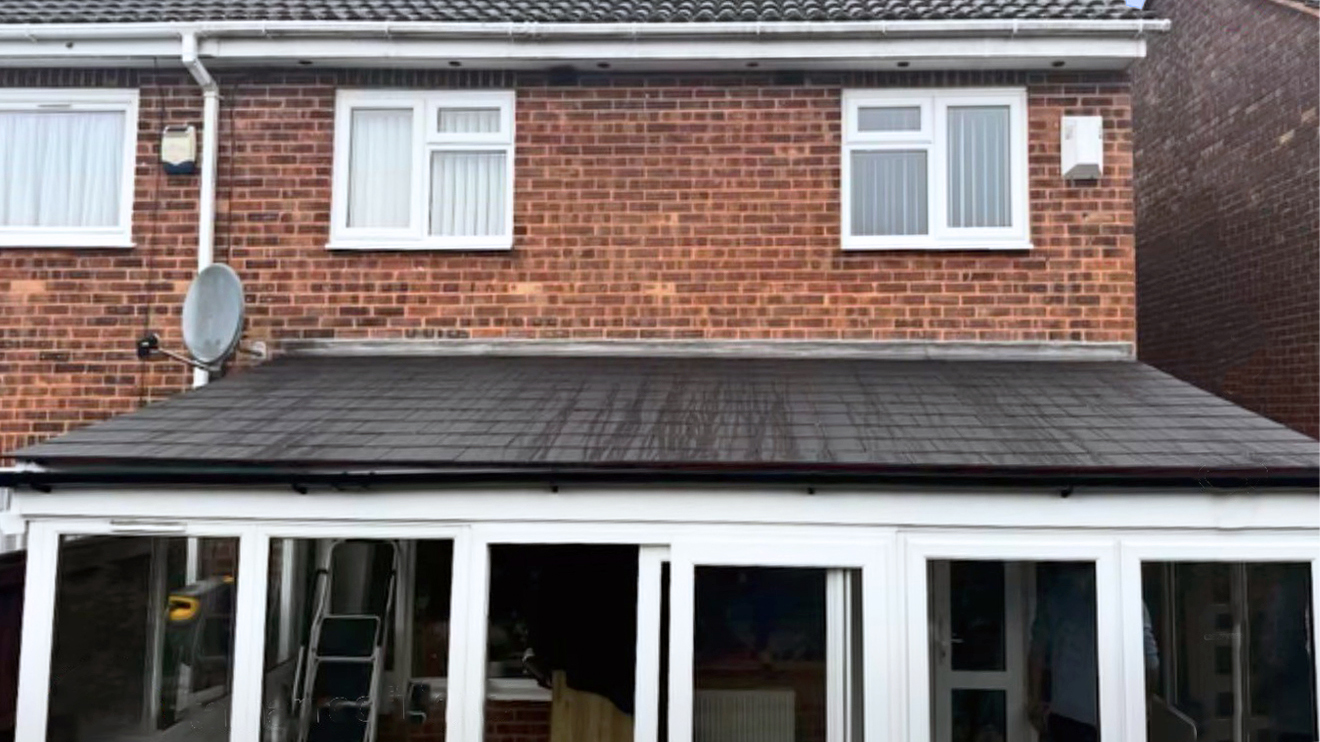
Mono-pitched roofs are common on properties across Devon and Cornwall. Often found on house extensions, garages, garden rooms, conservatories, and modern homes, their simple design effectively directs rainwater away from a building while creating a distinctive appearance.
Although a mono-pitched roof has fewer complex angles and junctions than many traditional roof designs, it still needs regular maintenance to remain weatherproof. Damaged roof coverings, deteriorating flashing, blocked gutters and failing fixings can all lead to water ingress if problems aren't identified and addressed promptly.
Whether you have an existing mono-pitched roof that needs some attention or you're considering a complete roof replacement, understanding how these roofing systems work can help you make the right decisions.
At Tamar Roofing & Building Services, we carry out roof inspections, repairs and replacement work across Plymouth, Devon and Cornwall. Here's what homeowners and property owners should know about looking after a mono-pitched roof.
What Is a Mono-Pitched Roof?
A mono-pitched roof, sometimes called a single-pitched roof or lean-to roof, consists of one continuous sloping surface rather than two opposing slopes meeting at a central ridge.
The roof falls in one direction, allowing rainwater to drain towards a gutter installed along its lower edge. The upper edge is commonly connected to an adjoining wall or another part of the building, although some standalone structures have a supporting wall or roof structure at either end.
Mono-pitched roofs are commonly used on:
- Single-storey house extensions and kitchen extensions.
- Garages, carports and other outbuildings.
- Conservatories and garden rooms.
- Commercial buildings, workshops and storage facilities.
- Contemporary residential properties.
One of the main advantages of a mono-pitched roof is its relatively straightforward design. With fewer roof planes, hips and valleys, there are generally fewer complicated junctions to maintain.
However, the single slope concentrates rainwater runoff towards one edge, making the condition of the eaves, guttering and drainage system particularly important. The junction where the roof meets an adjoining wall also needs careful weatherproofing.
Remember that mono-pitched describes the roof's shape rather than its gradient. Some mono-pitched roofs have a relatively steep slope, while others have a much shallower pitch. This distinction is important when choosing an appropriate roofing material.
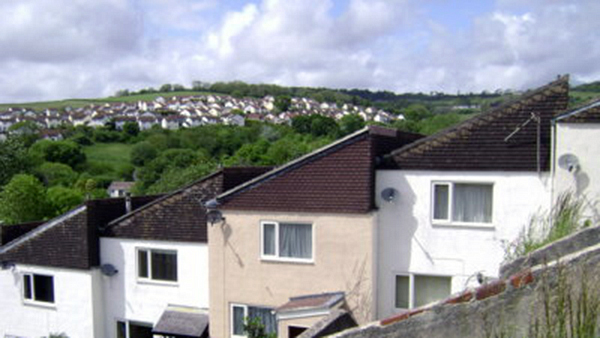
Choosing the Right Roofing Material for a Mono-Pitched Roof
The type of roof covering used on a mono-pitched roof depends on several factors, including its angle, the building's design, the surrounding environment and the expected performance of the roofing system. Common roofing materials include:
Natural slate and concrete or clay roof tiles
Slates and tiles can provide an attractive and long-lasting finish, particularly on residential properties. However, the roof must have a suitable pitch for the specific product being installed.
Different tiles and slates have different minimum pitch requirements. Some specially designed interlocking concrete tiles can be used on relatively shallow roofs, whereas traditional plain tiles and many natural slate systems require a steeper gradient.
Using a tile below its recommended minimum pitch can increase the risk of rainwater penetrating the roof covering.
Metal roofing
Metal sheets and standing seam roofing systems are sometimes used on mono-pitched roofs, particularly on modern homes, commercial buildings and agricultural structures.
Metal roofing can provide a lightweight, continuous covering, but you must select the correct profiles, fixings, joint details, and supporting structure for the roof's dimensions and exposure.
Felt and membrane roofing systems
Shallow mono-pitched roofs may use specialist waterproofing systems, including traditional built-up felt, single-ply membranes and other flat roofing products.
Although these roofs still have a fall, their shallow gradient can mean water drains more slowly than it would from a conventional tiled or slated roof.
The design must provide adequate falls and effective drainage to prevent persistent standing water.
Choosing the right covering isn't simply a matter of appearance or cost. It must suit the roof's pitch and be installed in accordance with the manufacturer's technical guidance.
Common Problems Affecting Mono-Pitched Roofs
Despite their relatively simple construction, mono-pitched roofs can develop several problems over time. Some result from natural deterioration, while others stem from poor installation, inadequate drainage, or exposure to severe weather.
Understanding the common weak points makes it easier to identify problems before they cause more extensive damage.
1. Damaged or Deteriorating Roof Coverings
The roof covering provides the first line of defence against rain, wind and other weather conditions.
Over time, roof tiles and slates can crack, become displaced or deteriorate. Metal sheets can become damaged, while felt and membrane coverings may develop splits, cracks or areas where joints have failed.
Even a small opening can let rainwater reach the underlying roof structure, particularly during prolonged heavy rain.
Regular inspections can help identify damaged materials before they develop into more serious leaks.
2. Problems with Lead Flashing and Roof Junctions
One of the most important areas of a mono-pitched roof is the junction where its upper edge meets an adjoining wall.
This area commonly relies on lead flashing or another suitable weatherproofing detail to prevent rainwater from entering behind the roof covering.
Over time, flashing can crack, lift, become displaced or deteriorate around its joints. Poorly installed flashing can also allow water to penetrate behind the roof covering, even when the rest of the roof remains in good condition.
Depending on the construction, side abutments, rooflights and other junctions can present additional vulnerable areas.
Damaged leadwork should be investigated and repaired properly rather than simply covered with sealant. Correctly formed and installed flashing helps direct rainwater away from vulnerable joints.
3. Blocked Gutters and Poor Rainwater Drainage
A mono-pitched roof directs most rainwater toward one lower edge. This means the guttering and downpipes have an important role in protecting the property.
Leaves, moss, twigs, and other debris can accumulate in the gutter, restricting rainwater flow. When the gutter becomes blocked, water can overflow against the fascia, soffits and external walls.
In some cases, poorly positioned or undersized gutters can struggle to cope with heavy rainfall, particularly on larger roof areas.
A damaged gutter, incorrect fall or poorly connected downpipe can also contribute to persistent drainage problems.
Keeping the rainwater system clear and properly maintained helps prevent unnecessary water damage around the roofline.
4. Loose Fixings and Wind Damage
Mono-pitched roofs can be particularly exposed to wind, depending on their orientation, height and surrounding buildings.
Loose or corroded fixings can allow tiles, slates or metal sheets to move during strong winds. Once the roof covering becomes displaced, water can penetrate through the gaps.
The condition of the underlying battens, supporting timbers and fixing points also needs to be considered.
If a roof has suffered repeated wind damage, you may need to investigate whether the original fixing specification suited the property's exposure.
5. Condensation and Poor Roof Ventilation
Not every damp patch or moisture problem comes from a leaking roof.
Poor ventilation, inadequate insulation and incorrectly constructed roof spaces can contribute to condensation.
Warm, moisture-laden air from inside a building can enter a cold roof space and condense on cooler surfaces. Over time, this moisture can affect insulation, timber rafters, battens and other roof components.
When repairing or replacing a mono-pitched roof, consider the entire roof construction, including ventilation requirements and insulation.
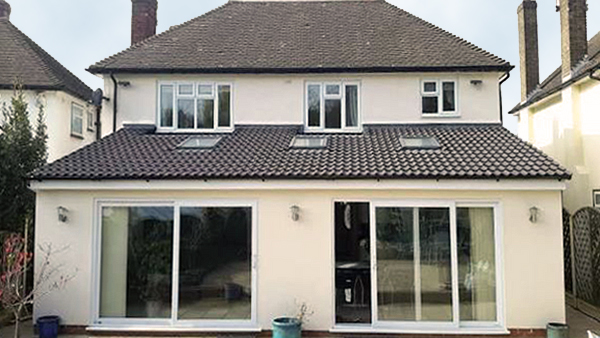
How to Maintain a Mono-Pitched Roof
Regular maintenance is one of the most effective ways to extend the useful life of a mono-pitched roof and reduce the likelihood of expensive repairs.
Although each roofing system has different requirements, property owners can take several practical steps.
Carry Out Regular Visual Roof Inspections
Check your roof from the ground, especially after strong winds or prolonged heavy rainfall.
Look for obvious signs of damage, including:
- Missing, slipped or cracked roof tiles and slates.
- Damaged or displaced metal sheets.
- Loose or deteriorating flashing.
- Visible damage to roof edges and fascias.
- Sagging or uneven roof sections.
- Debris collecting on the roof surface.
It's also worth checking the ceilings and internal walls below the roof for new damp patches, water staining or signs of moisture.
You shouldn't climb onto the roof yourself to investigate suspected damage. Roof inspections and repairs are best carried out by trained roofing professionals with suitable access equipment.
Keep Gutters and Downpipes Clear
Guttering is particularly important on a mono-pitched roof because most rainwater drains to a single eaves edge.
Clear leaves, moss, and other debris from gutters, and check that downpipes drain freely.
Properties close to trees may need more frequent gutter cleaning, particularly during autumn when leaves can accumulate quickly.
If rainwater regularly overflows during heavy rainfall, the guttering may need cleaning, repair, or review to ensure its capacity suits the roof.
Deal with Moss and Algae Growth
Moss and algae can develop on roof coverings, particularly on shaded areas that remain damp for extended periods.
A small amount of surface growth doesn't necessarily indicate a roofing problem. However, excessive moss can retain moisture against the covering, restrict drainage and obscure underlying defects.
Professional roof cleaning can help remove substantial moss growth without unnecessarily damaging tiles, slates or other roofing materials.
Avoid aggressive pressure washing, as this can damage roof coverings and force water beneath laps and joints.
Check Flashing and Roof Junctions
Pay particular attention to the upper roof-to-wall junction and any other areas where different materials meet.
Look for visible gaps, movement, cracks or deterioration in the flashing.
These areas are often exposed to driving rain and weathering, so even relatively small defects can eventually lead to water ingress.
Arrange Professional Roof Inspections
No single inspection schedule suits every mono-pitched roof.
The appropriate frequency depends on the roof's age, covering, previous repairs, surrounding trees and exposure to wind and rain.
Having the roof professionally inspected when you notice a problem, after significant storm damage or as part of a planned maintenance programme can help identify issues that aren't visible from ground level.
Repairing a Mono-Pitched Roof: What Are the Options?
Not every roofing problem requires a complete replacement. If the main roof covering and underlying structure remain in good condition, targeted repairs can often restore effective weather protection without unnecessarily disturbing the rest of the roof.
The right repair depends on the type of covering and the cause of the problem.
Common mono-pitched roof repairs include:
- Replacing damaged tiles or slates: Individual broken, missing or displaced tiles and slates can often be replaced where the surrounding roof covering remains sound.
- Repairing lead flashing: Cracked, lifted or poorly detailed flashing can be repaired or renewed to restore the weatherproof junction between the roof and adjoining walls.
- Replacing damaged fixings: Corroded screws, nails, and other fixings can be replaced where they contribute to loose or displaced roof coverings.
- Repairing felt and membrane coverings: Localised splits, failed seams or damaged sections may be repairable, depending on the condition and age of the existing waterproofing system.
- Guttering and drainage repairs: Damaged gutters, loose brackets, leaking joints and blocked downpipes can be repaired or replaced to improve rainwater drainage.
The key is to identify the actual source of the problem before carrying out repairs.
For example, a damp patch near the top of an extension might suggest a leaking roof covering. However, the underlying cause could be defective lead flashing where the roof meets the main property.
Identifying the source of water ingress helps ensure that the correct repair is carried out rather than simply treating the visible symptoms.
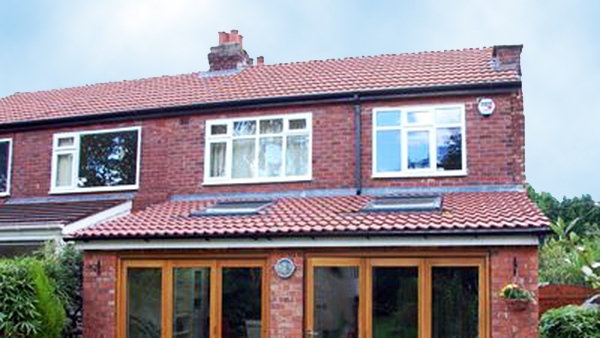
When Should You Consider Replacing a Mono-Pitched Roof?
Although many roofing problems can be repaired, there comes a point when repeated repairs may no longer represent the most sensible long-term solution.
If the roof covering has deteriorated across a substantial area, or several underlying components have started to fail, a complete mono-pitched roof replacement may be more appropriate.
Signs that replacement could be worth considering include:
- Multiple leaks developing in different areas of the roof.
- Widespread deterioration of tiles, slates or waterproofing materials.
- Repeated failures following previous repairs.
- Perished or damaged roofing felt or membranes.
- Rotten roof battens, rafters or supporting timbers.
- Visible sagging or uneven areas of the roof structure.
- Persistent drainage problems caused by unsuitable roof falls or poor original construction.
A single leak doesn't automatically mean you need a new roof. Similarly, continuing to repair an ageing roof with widespread problems can become increasingly expensive.
Base the decision on the overall condition of the roofing system, the extent of the damage, and the likely cost of future maintenance.
| Situation | Recommended approach |
|---|---|
| A few damaged or missing tiles | Targeted roof repair |
| Localised lead flashing failure | Flashing repair or replacement |
| Blocked or damaged guttering | Gutter cleaning or repair |
| Small areas of damaged felt or membrane | Localised repair, where suitable |
| Widespread covering deterioration | Consider a complete re-roof |
| Extensive timber damage or structural concerns | Professional assessment and appropriate roof replacement or structural work |
| Repeated leaks across several areas | Investigate the need for replacement |
A professional roof survey can establish whether your mono-pitched roof still has a useful service life or whether replacing it would offer better long-term value.
What Does a Mono-Pitched Roof Replacement Involve?
Replacing a mono-pitched roof is often relatively straightforward compared with more complex roof structures, but it still requires careful planning and installation.
The process normally starts with an inspection of the existing roof, assessing its pitch, dimensions, covering, underlying structure and any existing drainage or weatherproofing problems.
Once the appropriate replacement system has been selected, the existing roof covering is removed to expose the underlying construction.
This provides an opportunity to inspect the roof structure and replace any damaged timber, decking, battens or other components.
Depending on the roof design, the replacement may include:
- New or repaired structural timber and roof decking.
- Replacement roofing felt or breathable membrane.
- New roof battens and appropriate fixings.
- New roof tiles, natural slates, metal covering or waterproofing membrane.
- New lead flashing and weatherproofing at roof junctions.
- Improved eaves detailing and rainwater drainage.
- Suitable insulation and roof ventilation provisions.
If the existing roof suffers from poor drainage, a replacement also provides an opportunity to investigate the underlying cause and consider suitable improvements to the roof's falls and rainwater arrangements.
Where appropriate, homeowners may also want to improve the roof's thermal performance during the replacement.
A properly planned re-roof should address the underlying problems rather than simply installing new materials over an existing defective structure.
Building Regulations and Mono-Pitched Roof Replacement
If you're planning to replace an existing mono-pitched roof, consider whether Building Regulations approval is required.
In England, requirements can depend on the proportion of the roof being replaced, whether structural alterations are involved and whether the new covering significantly changes the roof's weight or fire performance.
For example, the Planning Portal explains that approval will not normally be required for certain existing roof repairs or re-covering projects where less than 25% of the overall building envelope and less than 50% of the roof are affected. Other circumstances can require approval.
Where significant roof replacement work is planned, thermal insulation, ventilation and moisture management may also need to be considered under the relevant Building Regulations requirements.
It's sensible to establish whether approval is required before work begins, particularly when changing the roof's construction or installing a different type of covering.
Looking After Mono-Pitched Roofs Across Devon and Cornwall
Properties across Devon and Cornwall experience a variety of weather conditions, from prolonged heavy rainfall and strong coastal winds to periods of high humidity and damp weather. Prolonged hot, dry spells are also becoming common, bringing higher-than-normal UV exposure.
These conditions can place considerable strain on exposed roofing materials, fixings, leadwork and rainwater drainage systems.
Mono-pitched roofs on coastal properties, extensions and standalone outbuildings can be particularly exposed, depending on their location and orientation.
Regular maintenance, prompt repairs and suitable material selection all play an important role in keeping these roofs weatherproof.
Whether you have a tiled mono-pitched roof on a house extension, a shallow-pitched roof over a garage or a larger single-slope roof on a commercial property, the same principle applies: problems are generally easier to address when they're identified early.
Need Help Maintaining, Repairing or Replacing Your Mono-Pitched Roof?
If your mono-pitched roof is leaking, showing signs of deterioration, or hasn't been inspected in a while, professional advice can help you understand what work is needed.
At Tamar Roofing & Building Services, we provide professional roof inspections, repairs and new roof installations across Plymouth, Devon and Cornwall.
Our fully trained and qualified roofing team can assess your roof's condition, identify potential problems, and recommend whether a targeted repair or a full replacement is the best option.
We're fully insured and offer 24-hour emergency callouts for urgent roofing problems.
Contact Tamar Roofing & Building Services today to arrange a roof inspection or request a free, no-obligation quotation.