
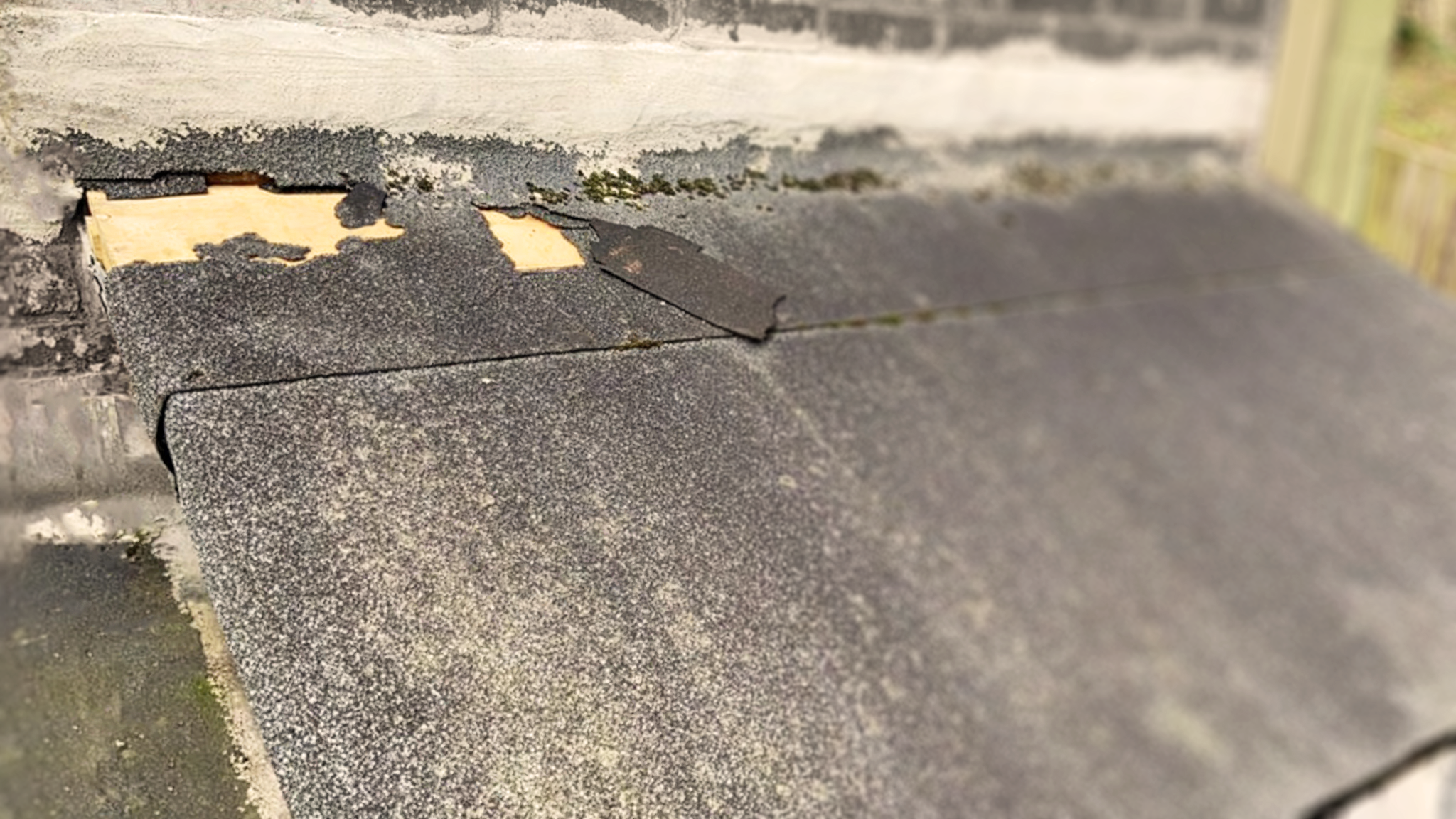
The recent run of exceptionally hot and dry weather across the UK has been unusual by any measure. The Met Office reported that 2026 became the first year in the UK weather record to record temperatures of 35°C or higher in May, June and July. July was also exceptionally dry, with England and Wales provisionally recording their driest July on record.
For homeowners, the obvious concerns during a heatwave are staying cool, keeping gardens watered and looking after vulnerable family members. Your roof probably isn't high on the list.
However, prolonged heat and intense sunshine can put additional stress on roofing materials. This is especially true when a roof is already showing signs of age, deterioration, or poor previous repairs. The effects aren't always obvious during the hottest days either. A roof may appear fine in the sunshine, only to develop a leak when heavy rain and strong winds arrive afterwards.
So how do heatwaves affect roofs, and what should homeowners in Plymouth, Plympton, Plymstock, Ivybridge, and across Devon and Cornwall look for?
Can hot weather really damage a roof?
Yes, although the extent of the damage depends on the roofing materials, the roof's age and condition, how well it was installed, and how long the extreme conditions last.
Roofing materials are designed to cope with temperature changes, but repeated heating and cooling cause materials to expand and contract. Over time, this movement can stress joints, fixings, seals, coverings, and roof junctions.
A single hot day is unlikely to damage a sound, properly installed roof. The concern is prolonged heat, particularly when repeated hot days are followed by cooler nights. Strong sunlight also exposes the roof to ultraviolet radiation, which can accelerate the ageing of some roofing materials.
Older roofs can be more vulnerable because existing small defects may already be present. Heat can expose weaknesses that have developed over years.
Roof tiles can crack, loosen or become displaced
Clay and concrete roof tiles are remarkably durable and are well suited to the UK's climate, but they aren't immune to extreme weather.
Existing hairline cracks can become more pronounced as materials heat and cool. Older or weathered tiles may also be more susceptible to surface deterioration and breakage, particularly where they have already been weakened by frost, impact or previous damage.
Heat can also contribute to problems with mortar-bedded ridge tiles, hips and verges. Existing cracks or weak bonding can become more noticeable because different materials respond differently to temperature changes.
There's another reason this matters in Devon and Cornwall. A loosened tile might not cause an immediate leak during a dry spell. Once the next period of heavy rain and strong winds arrives, however, a small defect can quickly turn into water ingress.
What should you look for?
From ground level, look for:
- Cracked or broken roof tiles
- Tiles that appear out of line
- Missing tiles or slates
- Loose-looking ridge or hip tiles
- Cracks in mortar along ridges, hips or verges
- New damp patches appearing after rainfall
Never climb onto a roof to inspect it yourself. A professional roof survey is a much safer way to investigate suspected damage.
Slate roofs can also suffer from heat-related problems
Natural slate is generally a highly durable roofing material and has low water absorption, but a slate roof is more than just the slates themselves.
The condition of the fixings, battens, underlay, roof structure and surrounding details all affect how well the roof performs. Heat-related movement, followed by wind, can expose weaknesses in older or deteriorating fixings.
This is particularly relevant to older slate roofs, which are common throughout Devon and Cornwall. A slate that looks perfectly sound from ground level may still be vulnerable if its nail or fixing has deteriorated.
It's worth checking for slipped or missing slates after prolonged hot weather, particularly if strong winds or heavy rain follow.
Lead flashing and roof junctions can be affected by heat
Lead is a long-lasting roofing material, which is why it's widely used around chimneys, valleys, roof abutments, dormers and other junctions.
Like other metals, lead moves as temperatures change. Correctly designed leadwork allows for this movement, but older, poorly detailed or damaged installations can develop problems over time. Thermal movement can contribute to buckling, fatigue, cracking or loosening around joints and fixings.
A small defect in lead flashing may not be noticeable during a dry spell. When the rain eventually returns, however, those junctions can become a major source of leaks.
If you notice staining around a chimney breast, roof junction or upper-floor ceiling after heavy rain, don't assume the problem is simply a broken tile. The flashing, masonry, and surrounding roof construction will all need inspection.
Flat roofs can be particularly exposed
Flat roofs receive substantial solar exposure due to their low pitch, causing their surfaces to stay in intense sunlight for extended periods on hot days.
The precise effect depends on the roofing system. Older bituminous coverings, for example, can soften when very hot and may become more vulnerable to punctures, scuffing, splitting or blistering. Older membranes may also deteriorate as they age and are exposed to ultraviolet radiation.
Other modern flat roofing systems are designed to accommodate thermal movement, but their performance still depends on the complete system being installed correctly. Membranes, adhesives, fixings, substrates, edge details, and penetrations must all work together.
This is one reason why walking on a flat roof during very hot weather isn't advisable unless the roof has been designed and made safe for maintenance access.
Look out for:
- Cracks or splits
- Blisters or bubbles
- Loose edges or trims
- Damaged joints
- Areas where the membrane appears to have lifted
- Standing water after rainfall
Early flat roof repair can often prevent a relatively small defect from developing into extensive water damage.
Roof timbers and other hidden components can be affected
When we think about heat-related roof damage, it's natural to focus on what we can see from outside. But the roof structure beneath the covering can also be affected.
Timber naturally responds to changes in temperature and moisture. Prolonged dry weather can reduce moisture content, while repeated changes in environmental conditions can contribute to movement, shrinkage and the opening up of existing defects.
This doesn't mean every small crack in roof timber signals serious structural damage. However, sagging roof lines, significant deformation, decayed timber or failed connections should always be professionally assessed.
Older properties deserve particular attention. Historic and period buildings were often built with materials and techniques suited to a different climate, and the combination of extreme heat, moisture, wind, and winter freeze-thaw cycles can accelerate deterioration.
Heatwaves can make lofts and roof spaces excessively hot
Extended hot, dry weather affects more than the outside of your roof.
A roof exposed to strong sunshine can transfer a considerable amount of heat into the roof space below. If your loft or roof ventilation is inadequate, hot air can become trapped.
Good ventilation helps move warm, moist air through the roof space and reduces the risk of moisture-related problems. UK government guidance on roof insulation and ventilation stresses the importance of maintaining suitable ventilation routes, particularly in roof spaces where condensation can occur.
Hot, dry weather also causes interior overheating, especially in bedrooms directly under the roof or in loft conversions.
The National Federation of Roofing Contractors has identified overheating as an important consideration for roofing resilience and highlights improved ventilation, including night ventilation, as one way to manage heat in buildings. Its research also includes Plymouth in its assessment of overheating and roof types.
For homeowners, this means that roof ventilation isn't simply about winter condensation. It can also help manage heat during hot weather.
The biggest problem may arrive after the heatwave
One of the most important things to understand about heat-related roof damage is that the problem may not become obvious until the weather changes.
A prolonged dry spell can leave existing weaknesses undisturbed. Once heavy rain arrives, water can exploit cracked tiles, damaged flashing, failed seals or weaknesses around roof junctions. Strong winds can then displace already-loosened tiles and slates.
This combination of heat, rapid temperature changes, wind and rainfall can reveal problems that weren't obvious during the heatwave itself.
That's why it can be sensible to check your roof following a prolonged period of extreme weather, particularly before the next major spell of rain.
Which parts of a roof are most worth checking?
| Roof area | Possible heat-related problem | What to look for |
|---|---|---|
| Roof tiles | Cracking, movement or deterioration | Broken, cracked or displaced tiles |
| Slates | Slipping or failed fixings | Missing or misaligned slates |
| Ridge and hips | Mortar cracking or movement | Gaps, cracks or loose ridge tiles |
| Leadwork | Thermal movement and fatigue | Cracks, buckling or gaps |
| Flat roofs | Softening, splitting or blistering | Bubbles, cracks, lifted edges or damaged seams |
| Underlay | Age-related deterioration | Damp areas or evidence of water ingress |
| Loft space | Overheating or poor ventilation | Excessive heat, condensation or mould |
| Timber structure | Movement or deterioration | Sagging, warping, splits or signs of decay |
How can you protect your roof during hot weather?
You don't need to replace a roof simply because temperatures have been unusually high. In many cases, sensible maintenance and early repairs can keep a roof performing properly.
Check the roof from ground level
After an extended hot spell, take a few minutes to look at the roof from a safe position. Check for obvious changes such as missing tiles, displaced slates or damaged ridge tiles.
Binoculars can be useful if you need a closer look without putting yourself at risk.
Keep gutters and downpipes clear
Hot, dry weather can be followed by intense rainfall. If gutters are blocked with leaves, moss or debris, large amounts of water may not drain away as intended.
Keeping gutters clear is a simple part of roof maintenance and can help reduce the risk of water backing up around the roofline.
Check loft ventilation
Make sure vents haven't been blocked by insulation, stored items or other materials. Consider roof ventilation as part of the whole roof system, especially where insulation has been upgraded.
Don't ignore small leaks
A small damp patch might seem unimportant in summer, but it can indicate a damaged tile, failed flashing, defective underlay, or another problem that will worsen in wet weather.
Early roof repair is generally much simpler than dealing with extensive water damage.
Arrange a professional roof inspection
A professional roofer can identify issues that aren't obvious from the ground, including deteriorating fixings, damaged flashing, problems with roof junctions and defects beneath the visible roof covering.
This is especially worthwhile if your roof is older, you've noticed changes following the heatwave, or your property has a history of leaks.
What about older and period properties in Devon and Cornwall?
Devon and Cornwall have many older homes, cottages, and period properties with traditional slate, tile, lead, and timber roofing.
These roofs can perform exceptionally well when maintained properly, but older materials and previous repairs may need closer attention following periods of extreme weather. Historic building specialists have highlighted how prolonged heat can accelerate deterioration in tiles, slates, metals and timber, while the resulting weaknesses may only become obvious once the colder, wetter weather returns.
For listed buildings and sensitive historic properties, repairs should also account for the original materials, construction methods, and any relevant planning or conservation requirements.
When should you call a roofer?
A professional roof inspection is sensible if you've noticed:
- A new leak or damp patch following rain
- Missing, cracked or displaced tiles or slates
- Loose ridge or hip tiles
- Damaged lead flashing
- Cracks or blisters on a flat roof
- Sagging or visibly distorted sections of roof
- Damp, mould or unusual condensation in the loft
- Signs that a problem has worsened following recent extreme weather
You don't necessarily need a completely new roof. Depending on the condition of the covering and the underlying structure, local roof repairs may be enough.
At Tamar Roofing & Building Services, we can inspect your roof, identify the cause of the problem, and advise whether repair, maintenance, or roof replacement is the most appropriate option.
Protect your roof before the next extreme weather event
Recent heatwaves have reminded us that UK roofs don't only have to cope with rain and wind. Increasingly, properties are also being exposed to prolonged heat, intense sunshine, rapid temperature changes and periods of unusually dry weather.
The good news is that a well-installed and properly maintained roof should be able to cope with normal seasonal changes. Problems are more likely when extreme weather exposes defects that have already developed over time.
A roof inspection after a major heatwave can therefore be a sensible preventative measure, especially for older properties and roofs showing signs of wear.
If you're concerned about roof damage from heat, have noticed a leak after the recent hot weather, or simply want to know how well your roof is coping, Tamar Roofing & Building Services provides professional roof inspections, roof repairs and new roof installations across Plymouth, Devon and Cornwall, including Plympton, Plymstock and Ivybridge.
Don't wait for the next heavy downpour to reveal a problem that could have been dealt with earlier.
For advice about your roof or to arrange a roof survey, contact Tamar Roofing & Building Services.