
Choosing the right roofing company is an important step in caring for your home. Your roof is there to protect you from rain and wind, so it's worth making sure it's in good hands. Whether you're considering a small repair , a brand-new roof , slate roofing , flat roofing , chimney repair or leadwork , taking the time to find a trustworthy contractor makes all the difference.
While price is certainly a factor, it shouldn't be the only one. A dependable roofer will take the time to explain what your roof needs, offer a clear written quote, and stand confidently behind the quality of their work.
Below are some key points to keep in mind when choosing a roofing company, whether you're in Plymouth or anywhere else in Devon or Cornwall.
Choose an established roofing company
Start by finding out who you're actually dealing with.
A reputable roofing company will provide clear business details, including its trading name, address and contact information. You should be able to find evidence of the company's work and confirm that it has a genuine presence in the area.
Choosing a local roofing company can also make things easier if you need help after the work has been completed.
Feel free to ask how long the company has been in business and what experience it has with your specific roof type. Remember, roofing isn't a one-size-fits-all job. A contractor who is skilled in modern tiled roofs might not have the same expertise in natural slate, leadwork, period properties, or flat roofing systems.
Check that the company is properly insured
Before work starts, check that your roofer has appropriate insurance.
Public liability insurance helps protect against claims involving injury to others or property damage. If a company employs staff, employers' liability insurance is also generally required by law.
A professional roofing company should be happy to provide evidence of its insurance if you ask.
Never assume a company is insured just because it claims to be on its website or quotation. If you're investing thousands of pounds in a new roof, it's sensible to request verification.
Look for relevant experience and training
There isn't a single licence that every roofer in England must hold. So, don't automatically assume a company is highly skilled just because they call themselves “professional roofers”.
Instead, ask about their experience, qualifications, and any manufacturer training they've completed. This way, you can feel more confident in your choice.
This is particularly important if your project involves specialist work such as:
- Natural or man-made slate roofing
- Lead flashing and lead valleys
- GRP or EPDM flat roofing
- Chimney repairs
- Complex roof structures
- Heritage or period properties
- Roof ventilation and insulation
- Roof replacements requiring Building Regulations compliance
For bigger or more specialised projects, ask them to share how they plan to approach the work, including the materials and systems they intend to use. This helps ensure everyone is on the same page.
A good roofer should be able to explain their recommendations in plain English.
Check previous roofing work
One of the best ways to judge a roofing company's work is to look at completed projects .
Look for photographs of work similar to yours and, where possible, read genuine customer reviews . A company with a good track record should be able to show examples of completed roof repairs, replacements or installations.
Don't just look at the finished roof. Pay attention to the details.
For example, on a roof replacement, you may want to see evidence of good work around:
- Verges and ridges
- Valleys
- Chimneys
- Lead flashing
- Roof windows
- Roof ventilation
- Gutters and drainage
- Roof junctions
Remember, a professional finish isn't solely about the roof's appearance from below. Much of the essential work is concealed beneath the roof covering.
Get more than one quotation
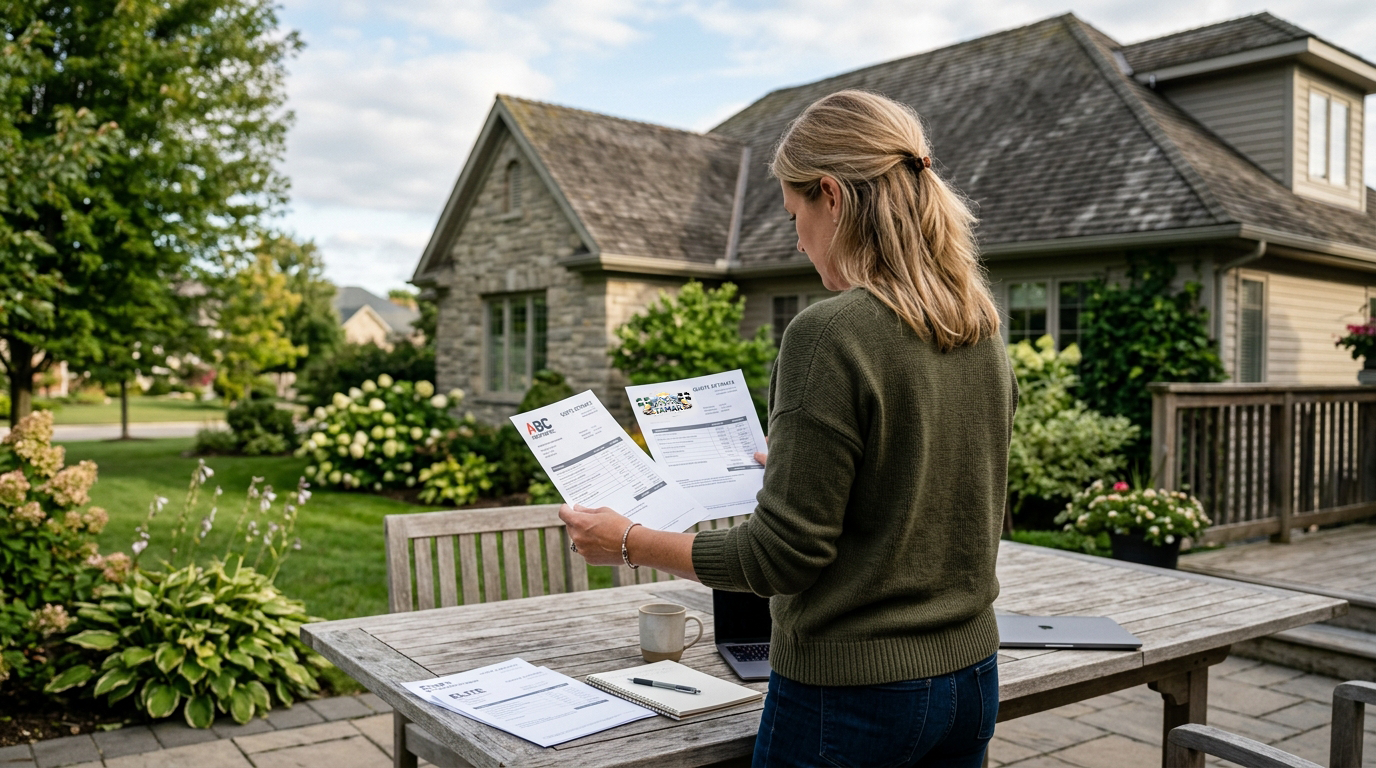
When undertaking significant roofing work, it's a good idea to gather several quotations so you can easily compare what each company is offering.
Citizens Advice suggests requesting clear, written quotations and being cautious if a trader won't put the price and details in writing. Getting three quotations can be a helpful starting point, but remember, the cheapest option isn't always the best choice.
Make sure to compare like with like. One roofer might include a full strip and replacement, along with new roofing membrane, battens, ventilation, leadwork, scaffolding, and waste removal, while another might offer a lower price by excluding some of these items.
If a quote seems exceptionally low, ask why and what's included to ensure you're getting a fair deal. Unfortunately, some roofers will add extras onto your job once they have started.
Make sure you receive a detailed written quotation
A good roofing quotation should leave you with a clear understanding of what you're paying for.
Ideally, it should explain:
- The work to be carried out
- The roofing materials to be used
- Labour costs
- Scaffolding, where required
- Waste removal
- Any associated leadwork or timber repairs
- The expected timescale
- Payment arrangements
- What happens if additional work is discovered
- The warranty or guarantee provided
- Whether VAT is included
Be particularly wary of vague descriptions such as "repair roof as required" or "new roof" without further detail.
If you're replacing a roof, ask what the specification actually covers. Will the old roof be stripped? Will the existing battens and membrane be replaced? Will ventilation be installed where required? What happens if damaged rafters or other problems are discovered once the roof is opened up?
The more clearly these things are explained before work begins, the less chance there is of disagreements later.
Understand the difference between a quote and an estimate
It's worth understanding the terminology roofers and builders use.
A quotation generally sets out the agreed price for specified work. An estimate usually indicates what the work is expected to cost and may change.
If you're given an estimate rather than a fixed quotation, ask what could increase the final price.
For example, removing an old roof may reveal rotten timber that couldn't reasonably be identified during an initial inspection. A reputable roofer should explain how they'll handle unexpected work rather than simply adding unexplained costs to the final bill.
Ask about guarantees and warranties
Don't assume that every roofing guarantee means the same thing.
Ask them:
- How long is the guarantee?
- What exactly does it cover?
- Is it provided in writing?
- Are there separate manufacturer warranties for the roofing materials?
- Who do you contact if there's a problem?
An insurance-backed guarantee can provide additional protection because it may remain in place if the contractor ceases trading, depending on the policy terms.
Make sure you receive the actual guarantee documentation and understand its terms rather than relying on a verbal promise.
Check Building Regulations where appropriate
Some roofing projects can involve Building Regulations.
GOV.UK states that replacement roof coverings on pitched and flat roofs can be subject to Building Regulations. The exact requirements depend on the work being carried out and the property's circumstances.
Ask your roofing contractor whether Building Regulations apply to your project and, if so, how they will be met.
For certain types of work, an installer registered with an appropriate Competent Person Scheme may be able to self-certify compliance.
Your roofer should be able to explain what applies to your project rather than leaving you to work it out yourself.
Be careful with unsolicited roofing offers
One of the biggest warning signs is a roofer who turns up at your door unexpectedly and says your roof urgently needs work.
Trading Standards regularly warns consumers about rogue traders who cold-call offering roofing, guttering, and other home improvement work.
Some may claim they are working nearby, have noticed damage to your roof or have materials left over from another job.
Never be pressured into making an immediate decision.
Many roofing problems can wait long enough for you to check the company, get another opinion, and compare quotations.
If someone tells you that your entire roof needs replacing, ask for a written explanation of what they've found. Take photographs if possible and get an independent quotation before committing to major work.
If you agree to home improvement work after a trader visits your home, consumer cancellation rights may also apply, depending on the contract. Make sure you understand your rights before work starts.
Don't pay everything upfront
Be cautious about contractors who demand a large payment before doing any work.
For larger projects, ask about the company's payment schedule and make sure it is clearly set out in the quotation or contract.
You should understand:
- Whether a deposit is required
- What the deposit covers
- When further payments are due
- Whether payments are linked to stages of the work
- When the final payment is due
Never feel pressured to pay cash immediately just because a roofer says the price is only available "today".
Professional roofing companies will be prepared to give you time to consider a significant roofing investment. They may also offer finance or payment plans to suit your needs.
Ask who will actually carry out the work
It's reasonable to ask who will be working on your roof.
Find out whether the company uses its own roofing team or subcontractors, and who will supervise the work.
Ask who your main point of contact will be if you have a question during the project.
Good communication matters, especially on larger roofing projects where unexpected issues can surface once work begins.
Don't choose a roofer on price alone
A new roof is a significant investment, but the cheapest quotation isn't necessarily the best value.
Roofing involves a lot of work that you won't see once the job is finished. The quality of the membrane, battens, fixings, ventilation, leadwork, and installation can all affect the roof's long-term performance.
Saving money now by cutting corners will cost you more later if the roof needs repair or replacement a few years down the line.
Instead of asking only, "How much will it cost?", ask:
What am I getting for the money?
Compare the specification, materials, work, guarantees, insurance and reputation of each roofing company.
Pay attention to how the roofer communicates
Your experience before the work starts can tell you quite a lot.
Does the roofer arrive when they say they will? Do they inspect the roof properly? Do they answer your questions? Are they willing to explain the option
A good roofer shouldn't make you feel pressured or confused.
You should receive enough information to make an informed decision about your own home.
What should you ask a roofing company?
Before choosing a roofing contractor, consider asking:
- How long have you been trading?
- Are you fully insured?
- Can you provide proof of insurance?
- Do you have experience with my type of roof?
- Can I see examples of similar work?
- Can you provide customer references or reviews?
- Will I receive a detailed written quotation?
- Is the quotation fixed or an estimate?
- What materials and roofing systems will you use?
- Is scaffolding included?
- Is waste removal included?
- How long should the work take?
- Who will carry out and supervise the work?
- Will Building Regulations apply?
- What guarantee do you provide?
- Are there separate manufacturer warranties?
- What payment schedule do you require?
- Who should I contact if I have a problem after the work is finished?
It might seem like a lot, but a reputable roofer won't be concerned by these questions. They show that you're taking care of your home and want to understand what you're getting.
Choosing a roofing company in Devon and Cornwall
If you're looking for a roofing company in Plymouth , Devon or Cornwall, choosing a roofer with local experience can be particularly useful.
Properties across Devon and Cornwall include everything from modern housing and post-war homes to older cottages and period properties. Different buildings can require different roofing materials and methods, particularly when dealing with natural slate, leadwork, chimneys and older roof structures.
Tamar Roofing & Building Services provides roofing services across the South West, including roof repairs, new roofs and roof replacements, flat roofing, slate roofing, leadwork, chimney repairs, guttering and roof cleaning.
Our approach is straightforward.
We start with a roof inspection to understand the roof's condition and explain what needs to be done. We then provide a written quotation outlining the proposed work and costs before we start.
For all our projects, we explain the recommended materials and roofing system and discuss any issues that may affect the work.
The aim is simple: you should know what we're recommending, why we're recommending it and what you're paying for.
A good roof starts with the right roofer
Choosing a roofing company isn't something you need to rush.
Take time to check the roofer, compare quotations, ask questions and read the guarantee carefully. Look beyond the headline price and consider the quality of the materials, previous work, insurance, experience and aftercare you're receiving.
A professional roofing company will be happy to explain its recommendations and provide everything you need to make an informed decision.
If you need a roof inspection, repair or replacement in Plymouth or across Devon and Cornwall, Tamar Roofing & Building Services can arrange a free, no-obligation inspection and provide a written quotation for the work.
Call us on 01752 922 752 to arrange an appointment.